
At Patient Care Of Houston, we often say that we don’t just care for a client’s present needs; we honor their past experiences.
In the hustle of daily life, especially when managing the challenges that come with aging or caring for an individual with special needs, the focus shifts naturally to the immediate: medication schedules, physical safety, meal preparation, and hygiene. These are crucial, undeniable necessities of care. However, if we focus only on the logistical, we risk missing the profound depth of the human standing before us.
We are all the sum of our experiences. Every wrinkle holds a memory; every scar tells a story. For seniors, these stories span decades of history, love, loss, triumph, and everyday life. For individuals with special needs, their unique life journeys and perspectives are equally rich reservoirs of identity.
This is why we believe deeply in the power of reminiscence—the act of recalling and sharing past experiences—as a vital component of holistic, non-medical home care.
More Than Just Chatting: Validation of Self
As people age, or as their physical capabilities change, their world often shrinks. They may no longer be the active professional, the busy parent, or the traveler they once were. This shift can lead to a diminished sense of self-worth or feelings of invisibility.
Reminiscence acts as a powerful antidote to this invisibility. When a caregiver sits down and genuinely asks, “Tell me about the day you met your spouse,” or “What was your first job like?” they are doing more than passing time. They are validating that person’s life. They are affirming that the events, people, and feelings of their past matter.
Recalling these memories allows an individual to reconnect with who they were, which is an essential part of who they still are. It shifts the focus from what they can no longer do to what they have done.
The Therapeutic Connection
Beyond the emotional validation, the act of reminiscing has tangible therapeutic benefits, particularly in a home care setting.
For many seniors, especially those experiencing early stages of cognitive decline or dementia, long-term memories remain accessible long after short-term memory fades. Accessing these older memories can bring immense comfort and reduce anxiety. It provides a sense of competence and familiarity in a world that might feel increasingly confusing.
Sharing stories also builds a profound bridge of trust between the client and the caregiver. Companionship is the cornerstone of non-medical home care. When a caregiver knows that Mr. Johnson used to be a jazz musician, playing Louis Armstrong during lunch isn’t just background noise; it’s an act of deep personal acknowledgment that can lift his mood for the entire day.
The Role of the Patient Care Of Houston Caregiver
This is where the unique value of non-medical home care shines. Unlike clinical medical visits which are often rushed and task-focused, non-medical care allows for the luxury of time.
Our caregivers are present during the quiet moments of the day—while folding laundry, waiting for lunch to cook, or sitting on the porch on a mild Houston afternoon. These are the golden opportunities for connection.
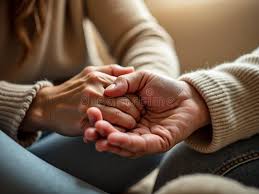
Our caregivers are trained not just in safety protocols, but in the art of listening with the heart. They become “story-catchers.” They understand that sometimes the most important thing they can do in an hour is holding someone’s hand and listening to a story about a childhood pet or a long-ago holiday.
Sparking Memories at Home
Reminiscence doesn’t always happen spontaneously. At Patient Care Of Houston, we encourage families and our caregivers to actively create an environment that invites story-telling. Here are a few ways to spark these connections:
- The Power of Music: Play songs from the era of their youth. Music is practically hard-wired to emotional memory and can unlock stories that haven’t been thought of in years.
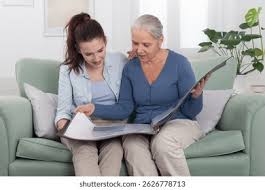
- Tangible Triggers: Bring out old photo albums, military medals, a cherished piece of jewelry, or even a recipe card in a mother’s handwriting. Holding a physical object can ground the memory.
- Ask Open-Ended Questions: Instead of asking, “Did you like growing up in Houston?” (which invites a simple yes/no answer), ask, “How has Houston changed since you were a child?” or “What was your favorite thing to do on a Saturday morning back then?”
Conclusion
A person’s life story is their most valuable possession. As physical abilities wane, these stories become even more precious currency. At Patient Care Of Houston, we view it as a sacred privilege to be invited into a home and trusted with these narratives.
By prioritizing reminiscence and compassionate listening, we ensure that the seniors and individuals with special needs we serve are honored not just for who they are today, but for the rich, full lives they have lived.